
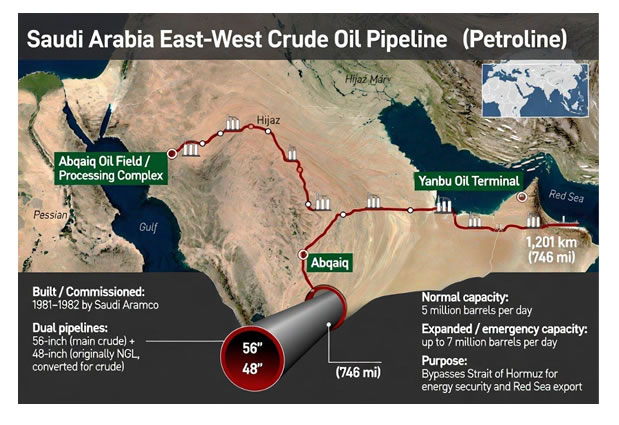
If we look at the chart below and consider the current situation at the Strait of Hormuz, it is
evident that crude oil has rarely stayed above USD 60 over the last 10 years.
Factoring in dollar appreciation and inflation, crude oil has lost substantial value in real terms.
Currently, crude oil is trading at around USD 100, with several major factors impacting the
market:
1. Qatar’s sales have dropped to zero.
2. Only around 10% of ships are able to pass through the Strait, and even that comes with significant risk.
3. Russia continues to face sanctions.
4. OPEC has implemented multiple production cuts over the past few years to stabilize prices.
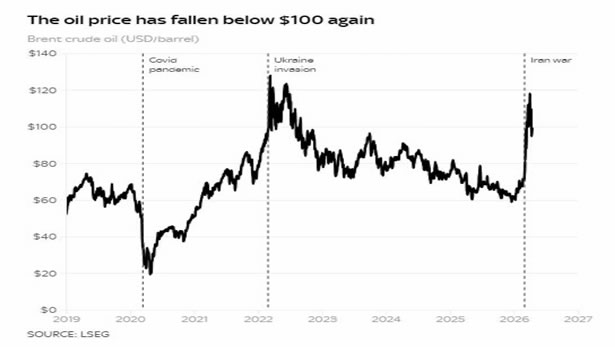
Despite all these factors, crude oil has still not been able to move above USD 125.
Now imagine what could happen over the next 3–5 years if the following developments take
place:
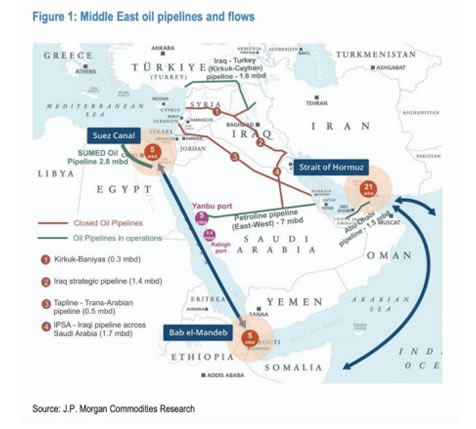
1. Saudi Arabia expands the capacity of its existing pipeline and builds additional pipeline infrastructure.
2. Iraq, which is among the most affected by this conflict, starts using alternative export routes.
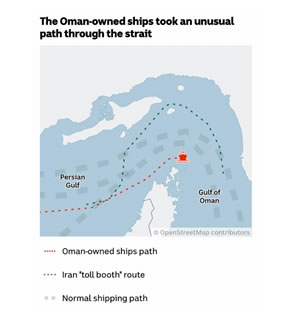
3. Oman establishes and begins using its own waterway route, something it has already attempted in the past.
Many are saying that even if the Strait of Hormuz opens today, it may take up to one year for the oil market to stabilize. However, I believe it may not take more than 3–4 months. Even if it does take one year, the question remains: what would the overall condition of the oil market be by then?
Persian Gulf countries are aware that any ceasefire may not last permanently. Therefore, they are likely to start preparing alternative options.
This situation is particularly serious because:
1. Iran has actually attacked oil-producing countries, which was not expected by many.
2. The Strait of Hormuz may no longer be seen as a trusted route, especially with Iran imposing toll like restrictions or charges.
The chart below also shows that Iran has a significant share of crude movement through this route.
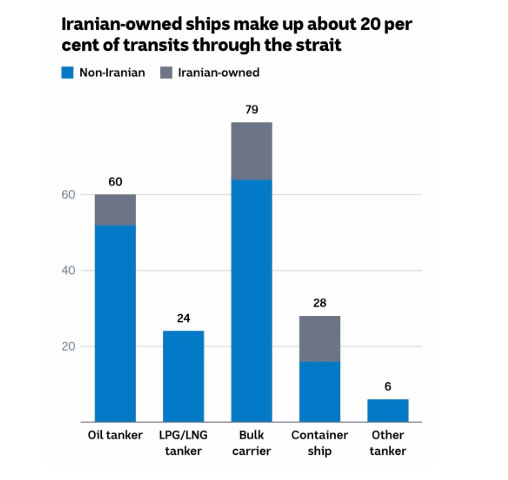
Iran also has a seaport outside the Strait of Hormuz, developed through a joint venture with
India. India is one of the largest consumers of Iranian oil after China and the European Union.
Recently, a few major developments have taken place that could significantly impact crude oil
prices:
1. The UAE’s withdrawal from OPEC
A crack in OPEC could allow the UAE to produce and sell as much oil as it wants. Once
the Iran conflict ends, this could open a Pandora’s box. Several smaller countries may
also choose to exit OPEC or bypass its production controls.
2. Russia indicating that the Ukraine war may be nearing an end
This is very important for Europe, which has been heavily dependent on alternative oil sources. If the situation stabilizes, Europe may once again shift towards Russian oil, creating a win-win situation for both Russia and the EU.
Once the Nord Stream 2 pipeline between Russia and Europe stabilizes, the entire economics of crude oil could change.
Europe made a serious mistake by falling into the trap of over-reliance on green and clean energy without maintaining adequate backup. It should not have discontinued or discarded its nuclear power plants so aggressively.
Europe should learn from Japan, which is now considering restarting its nuclear power plants.Social media-driven agitation is often politically motivated, either by opposition parties or by rival countries. No nation should fall into such gimmicks. People must understand the economics and practicality behind energy decisions.
Emotions are bad for economics.