PNG vs LPG
India plans to reach 20 crore PNG connections by 2030. This is a very ambitious target and something that is almost impossible to reach. I believe even oil companies doubt this as a realistic number because:
1. Oil companies are increasing LPG bottling capacity and putting in new LPG plants
2. New cross-country LPG pipelines are being built. We should understand that LPG and PNG cannot be used in the same pipelines.
The bigger question is: why is the Indian government so obsessed with and focused on pushing
PNG, similar to their ethanol push?
I think the government is considering these points:
a) Low calorific value
b) Pilferage
c) CBG gas
d) Logistics
A) LOW CALORIFIC VALUE: 1 kg of LPG equals 1.2-1.3 SCM of PNG, so one kg of LPG produces almost 25% to 30% more calories than PNG. For domestic use, we do not need such high-quality heat.
If we understand that LPG produces higher heat for the same amount of PNG, we do not need such high calories of heat for cooking food. Most carbohydrates and proteins get denatured above 70 degrees Celsius, so most of the food we cook is already denatured.
A four-person family needs around 6-10 SCM per month in PNG. At a rate of Rs 50-60 per SCM, the maximum cost per family would be around Rs 600 per month. Lower calorific value and cheaper fuel will help the government reduce both cost and consumption.
B) PILFERAGE: This is the government’s biggest concern and represents the heaviest loss to the exchequer. Currently, domestic LPG costs Rs 90 per kg less than commercial LPG. This 60% price variation creates a temptation that is almost three times the cost difference, making pilferage of domestic LPG to commercial LPG very attractive. The government has implemented many measures in recent months including OTP, KYC verification, and supply restrictions, but nothing has worked effectively.
PNG operates as a closed end-to-end delivery system where there is no option to go off-grid or store gas, so pilferage is almost zero.
C) TRANSPORTATION COST: A large portion of LPG is still transported by road in bulk LPG tankers. These tankers travel on congested roads through populated areas. Loaded tankers are parked along the roadside overnight and at dhabhas. Drivers cook food in their cabins, use mobile phones, and the roads are not always suitable for safe transport of hazardous materials. Sometimes drivers attempt to sell LPG, which has led to fire accidents.
PNG is transported at 21 millibar pressure, which is 200 times lower than LPG pressure, making it much safer.
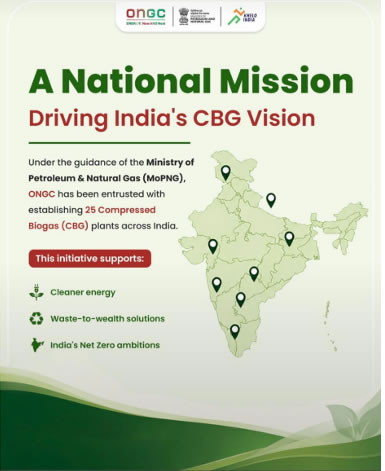
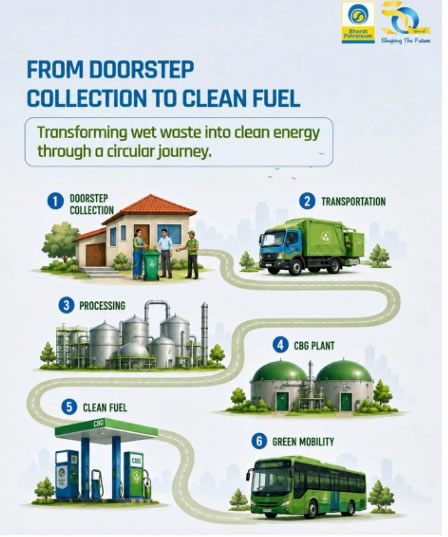
D) CBG-PNG: The latest government scheme is “GOBARdhan,” a multi-purpose project designed to solve several problems at once. The government is converting agricultural waste, bio waste, and city waste into biogas. This gas will be connected to the PNG grid and supplied as fuel to consumers. The government has allocated a subsidy of 2.5 billion dollars for this project.
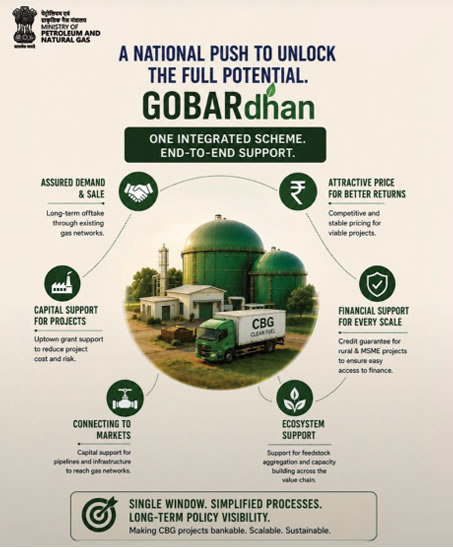
It is a complete economically viable project with government capital subsidy. We hope to produce substantial gas from bio waste to save foreign currency.
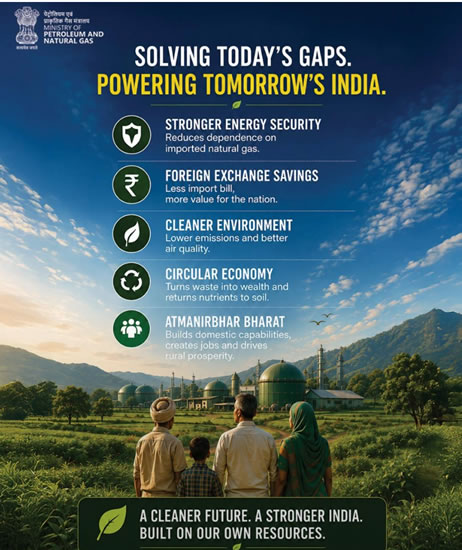
Everything till now looks good, but we have a lot of bottlenecks to implement it.
1. LAST MILE BOTTLENECK: Six million PNG connections in Delhi NCR are still stuck due to last-mile connection delays. Last mile means the pipeline is at their door but no plumber is available to connect the kitchen. Plumbers need to be certified, trained, and experienced to deal with explosive items.
2. IPSC ISSUE: The Indian Plumbing Skill Council (IPSC) has 800,000 plumbers, and 80% are unemployed. However, PNG has a shortage of skilled plumbers in the lakhs, and there is a bridge to be built to bridge this gap.
3. PNG VOLUME: To replace LPG with PNG, we require 45 billion cubic meters of gas annually, which poses significant logistics and storage problems. PNG also has issues with handling, and there are huge infrastructure development costs. All CDG (City Distribution Gas) companies have been in loss since inception.
India has one advantage that no other country has: we have a densely populated area and can consume PNG at a scale that no other country in the world can. In most oil-producing countries, there is a small market for gas as most buyers want oil. India will be the largest consumer by far in the world in the coming years. Even with an increase in gas consumption, we will save a lot of dollars.
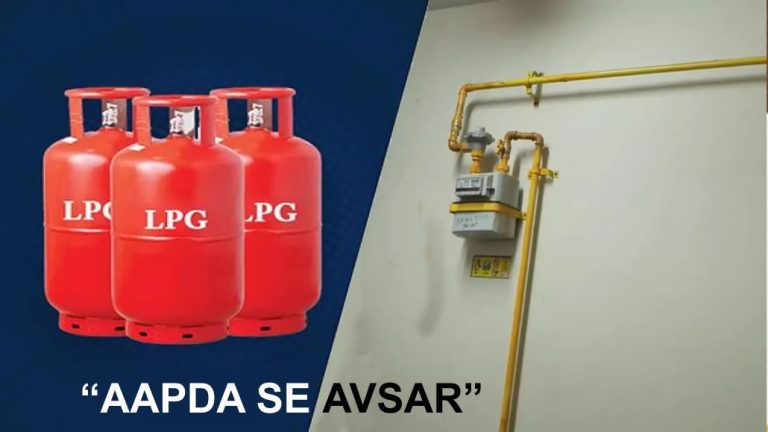
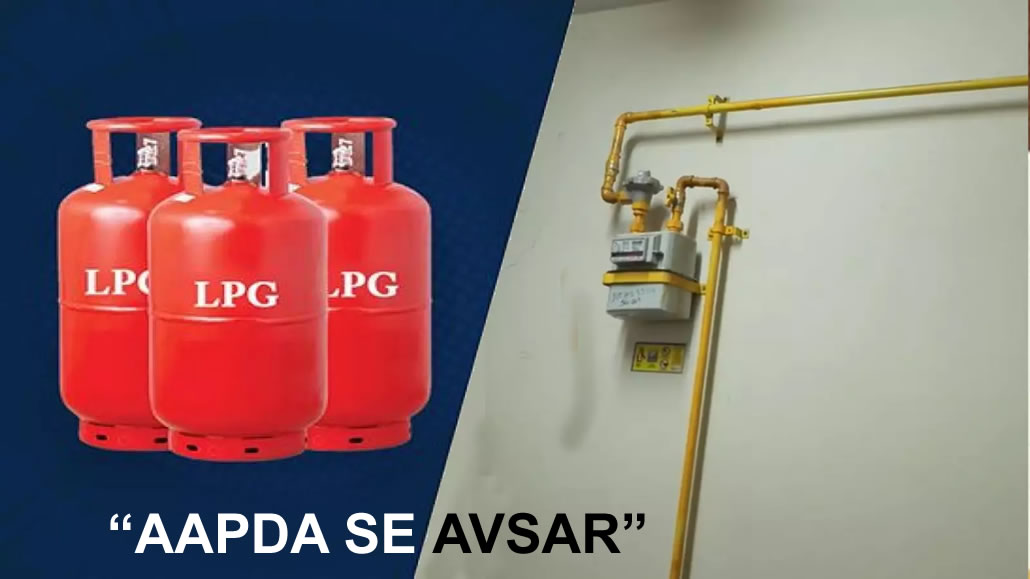
India really is on the cusp of converting aapda to avsar.